Two fatal train disasters in less than a year: I never thought I would see this happen in my native Spain
Summary
Two high-speed train disasters in Spain in 2026 have killed at least 115 people, and the transport minister has resigned, a blow to the government before snap elections.
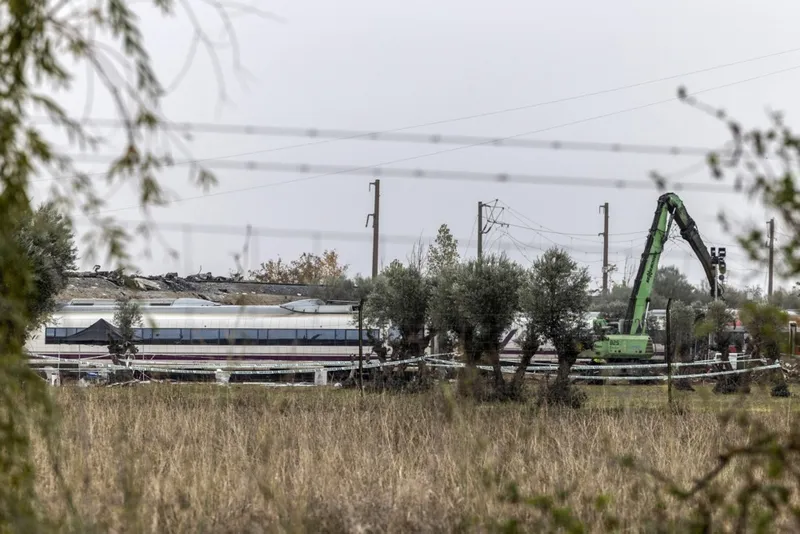
A high-speed collision near Urda, Toledo, on 28 October killed 69 people and injured around 200. In January, a high-speed train derailed near Córdoba, killing 46. Transport minister Oscar Puentes announced his resignation earlier this week, and polls suggest the opposition is set to win the coming elections.
Critics argue that maintenance spending has not kept pace with high-speed services, which have grown 52 percent since 2019. Spain is still operating under its 2023 budget, rolled over for three consecutive years. The government rejects these claims.
The Madrid-Seville line, where the latest crash happened, is being modernised but still mainly uses the older German LZB safety system from 1992. When it was disrupted, trackside signals and automatic braking failed to stop trains passing red signals. The EU-funded replacement, ERTMS, under a €93.8m contract due by January 2026, has not been completed.
Key points
- At least 115 people have died in two high-speed train accidents in Spain in 2026.
- The Urda collision on 28 October killed 69 people and injured around 200.
- The January Córdoba derailment killed 46 people.
- Transport minister Oscar Puentes resigned earlier this week.
- The Madrid-Seville line still relies mainly on the 1992 LZB system, and its EU replacement is overdue.
Why it matters
The author argues that railway safety cannot depend on a single technology and that human control must step in when safety systems fail.
- Spanish high-speed rail safety
- Urda train collision
- railway signalling systems (ERTMS and LZB)
- rail maintenance underinvestment
- Spanish government accountability
Coverage
source covering this story
1 independent source
Only EUobserver is covering this story.