COP31 explained: What’s at stake at this year’s UN climate summit?
Summary
The UN climate summit COP31, held in Antalya, Türkiye, from 9 to 20 November, will focus less on finding climate solutions and more on making them affordable for everyone.
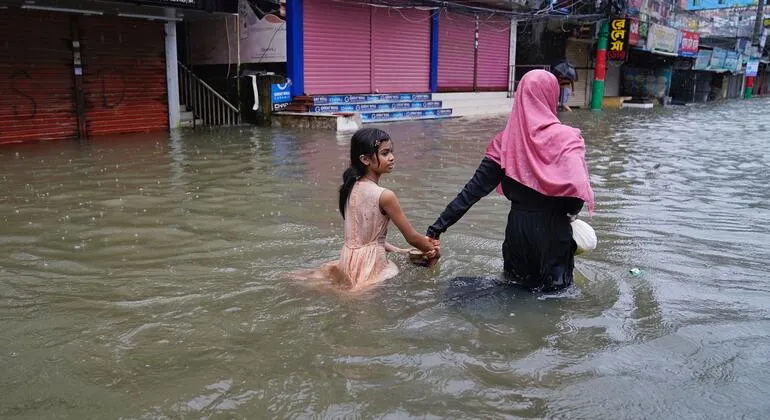
Representatives of more than 190 countries will gather as 2026 has already brought floods, heatwaves and droughts. Scientists have confirmed the world is on track to exceed the Paris Agreement's 1.5°C warming threshold, and a powerful El Niño is expected to intensify impacts. Clean technologies such as solar power, electric vehicles and battery storage are advancing quickly, yet many countries struggle to benefit from them.
Selwin Hart, the UN Special Adviser on Climate Action and Just Transition, says COPs should not be judged only by a grand final deal. This year Türkiye presides and promotes implementation initiatives, while Australia leads negotiations with Pacific Island countries. The summit will also launch the second global stocktake of collective progress.
Emerging and developing economies outside China, home to nearly two-thirds of the world's population, received just 18 per cent of global clean energy investment in 2025. Around 600 million people in Africa still lack electricity, and financing renewable projects in developing countries can cost several times more than in wealthier nations. Heavy debt leaves many governments with little room to invest, which Hart says requires finance solutions that do not increase debt.
Key points
- COP31 runs from 9 to 20 November in Antalya, Türkiye, with more than 190 countries taking part.
- Emerging economies outside China received 18 per cent of global clean energy investment in 2025.
- Around 600 million people in Africa still lack access to electricity.
- Scientists expect temporary overshoot above 1.5°C, which Hart says should bring greater urgency.
- The summit will launch the second global stocktake of Paris Agreement progress.
- COP31
- climate finance
- clean energy investment
- global warming overshoot
- energy access in Africa
Coverage
source covering this story
1 independent source
Only UN Climate Change is covering this story.