Archaeologists Unravel an 88-Year-Old Murder Mystery
Summary
A new study argues that British archaeologist James Leslie Starkey, killed in 1938, was the victim of a calculated assassination driven by a land-related grievance rather than random banditry.
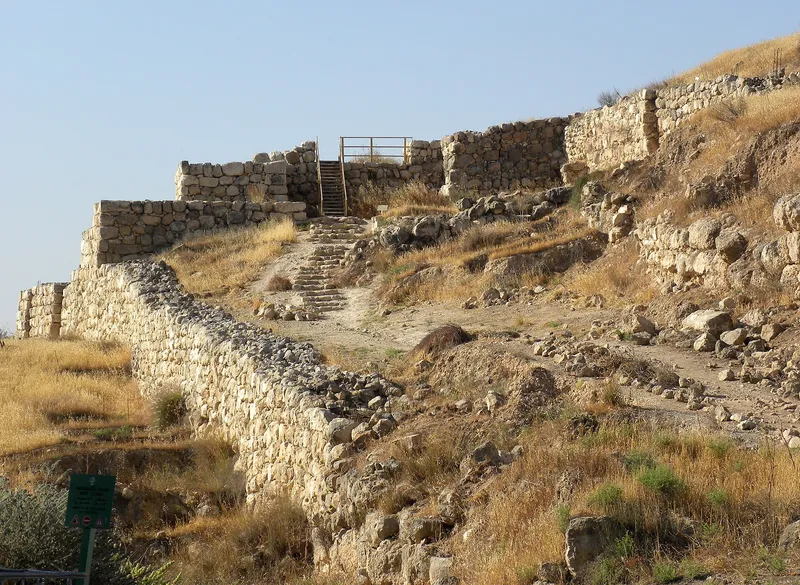
Starkey was ambushed near Hebron on January 10, 1938, while travelling by taxi from his excavation site at Lasich to Jerusalem. His death was long attributed to a gang of rebels during the 1936-1939 Arab Revolt. British forces later killed the rebel commander Issa al-Battat in a firefight and pinned the murder on him, though the case was never fully explained.
Starkey's excavations at Lasich required digging under the farmland of the nearby village of al-Qubayba. After years of negotiation, the landowners agreed to sell, then tried to back out after receiving half their payment, and British forces expropriated the land. Newly uncovered petitions and village testimonies show the villagers' anger, and the researchers argue this dispute gave them a clear motive.
The team from the Hebrew University of Jerusalem and the Van Leer Jerusalem Institute based its findings on colonial records, Palestinian accounts, intelligence documents and oral testimony, published in Bulletin of the History of Archaeology. They say the attack site was chosen far from the village to deflect suspicion, and British authorities cleared the villagers of wrongdoing despite knowing of the conflict.
Key points
- Starkey was killed near Hebron on January 10, 1938, after his taxi was stopped by armed men.
- British forces killed rebel commander Issa al-Battat in Hebron after a tip, and blamed him for the murder.
- The new study, in Bulletin of the History of Archaeology, calls the killing a calculated assassination.
- Years of land disputes with al-Qubayba villagers, including forced expropriation, provide the motive, the researchers say.
- The study shows how archaeological work intersected with land disputes and anti-colonial sentiment in rural Palestine.
- colonial archaeology
- Arab Revolt (1936-1939)
- land disputes in Mandatory Palestine
- archaeological history
Coverage
source covering this story
1 independent source
Only Nautilus is covering this story.